Can Dogs Dehydrate? Signs, Causes, and Quick Care (Vet Verified)

Water is the one nutrient dogs need every single day, and yet it’s easy to overlook until something goes wrong. A hot afternoon, a stomach bug, or a few days of picky drinking can quietly tip a dog from “fine” to “dehydrated” faster than most owners expect.
Can Dogs Dehydrate? – The Short Answer
Yes, dogs can dehydrate, and it can happen quickly. Dehydration occurs when a dog loses more fluid than it takes in, most often from heat, vomiting, diarrhea, or reduced water intake. Early signs include dry or tacky gums, lethargy, and loss of skin elasticity. Mild cases can often be managed at home with water, but moderate to severe dehydration needs prompt veterinary care.
Key Takeaways
- Dogs can become dehydrated within 24 hours of inadequate water intake, especially in heat or during illness.
- Common causes include heatstroke, vomiting/diarrhea, low water intake, and underlying conditions like dog kidney disease.
- The skin tent test and gum check are the two most reliable at-home hydration checks.
- Severe dehydration (collapse, non-stop vomiting, unresponsiveness) is a veterinary emergency.
- Tracking water intake trends over time can flag problems before obvious symptoms appear.
Dehydration in Dogs, Explained
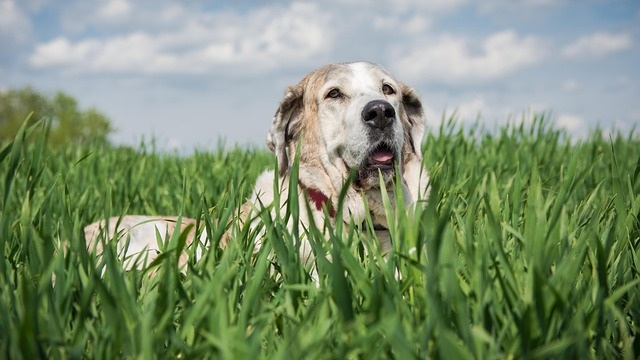
Dogs absolutely can dehydrate, and because they can’t tell us they’re thirsty, it often sneaks up on owners. Dehydration develops when fluid losses from panting, urination, and normal body processes outpace what a dog drinks and eats. Once that balance tips, blood volume drops, electrolytes shift, and organs — particularly the kidneys — start to feel the strain. The AVMA’s warm weather pet safety guidance notes that pets should always have unlimited access to fresh water and shade, since heat is one of the fastest ways a dog’s hydration status can decline.
“Dogs can become dehydrated surprisingly quickly, especially during illness or hot weather. Monitoring changes in water intake and overall behavior can help owners recognize problems before dehydration becomes severe.” — Carolina Domingues, DVM, Veterinarian at Maven Pet
What Causes Dehydration in Dogs?
Several situations can push a dog toward dehydration, sometimes within just a few hours:
- Heat exposure and overexertion. Dogs cool themselves mainly through panting, not sweating, so hot or humid days and intense exercise increase fluid loss quickly.
- Vomiting and diarrhea. According to Cornell University’s College of Veterinary Medicine, unresolved vomiting can disrupt electrolyte balance and lead to life-threatening dehydration, and the same is true when diarrhea is prolonged.
- Reduced water intake. Illness, stress, dental pain, or an unfamiliar water source can all cause a dog to drink less than it needs.
- Underlying illness. Conditions such as kidney disease, diabetes, and fever increase fluid loss or reduce a dog’s ability to conserve water.
- Heatstroke. This is one of the most dangerous causes, and it can escalate within minutes if not addressed.
“I got the Maven sensor for my 14-year-old Chihuahua mix with heart and trachea issues. It gave me back peace of mind – I can track her RRR, BPM, drinking, and activity anytime and know instantly if something’s wrong. Highly recommend!”

★★★★★
Chiara De Luca
Titti
What Are the Signs of Dehydration in a Dog?
Signs of dehydration in a dog range from subtle to severe:
Early signs
- Dry or tacky gums
- Mild lethargy or reduced interest in play
- Slightly reduced skin elasticity
- Thicker-than-normal saliva
Advanced signs
- Sunken eyes
- Noticeable weakness or collapse
- Rapid heart rate or panting
- Little to no urine output
The VCA Animal Hospitals guide to gastroenteritis in dogs explains that dehydration can develop quickly when vomiting and diarrhea persist for more than 24 hours, which is why catching early signs matters so much.
How to Check if Your Dog Is Dehydrated at Home
Two simple checks can help you gauge your dog’s hydration status:
- The skin tent test. Gently lift the skin between your dog’s shoulder blades, then let go. In a well-hydrated dog, it snaps back almost instantly. If it stays “tented” or returns slowly, dehydration is likely.
- The gum check. Press a finger against your dog’s gums; healthy gums are moist, slippery, and quickly return to pink after pressure is released.
It helps to practice both tests when your dog is well-hydrated, so you know what’s normal for them before you need to compare.
What Do Dehydrated Dog Gums Look and Feel Like?
Dehydrated dog gums typically feel dry, tacky, or sticky instead of moist and slippery. In more advanced dehydration, gums may appear pale and take longer than two seconds to return to their normal color after you press on them (capillary refill time). If gums feel dry alongside other signs like lethargy or sunken eyes, it’s a strong signal your dog needs water and, potentially, veterinary attention.
When Is Dehydration an Emergency?
Mild dehydration can often be managed at home with small, frequent amounts of water. However, seek veterinary care immediately if your dog shows:
- Persistent vomiting or diarrhea lasting more than a few hours
- Collapse, extreme weakness, or disorientation
- Suspected heatstroke (heavy panting, drooling, elevated body temperature)
- Gums that stay dry or pale despite offering water
- No urination for an extended period
Research from Texas A&M’s School of Veterinary Medicine and Biomedical Sciences points out that heatstroke-related organ injury can lead to severe dehydration, shock, and other life-threatening complications, so any suspected heatstroke should be treated as an emergency, not something to monitor at home.
How Can You Help Prevent Dehydration?
- Keep fresh water available at all times, and bring water on walks, hikes, or car trips.
- Avoid exercising your dog during the hottest parts of the day.
- Watch water intake more closely during illness, travel, or diet changes.
- Pay extra attention with puppies, senior dogs, and dogs with chronic conditions like kidney disease, since they’re more vulnerable to fluid loss.
- Establish a baseline for your dog’s normal drinking habits so you can notice changes sooner.
How Maven Helps
Because dehydration and the illnesses that cause it often build gradually, a single day’s water bowl check can miss the bigger picture.
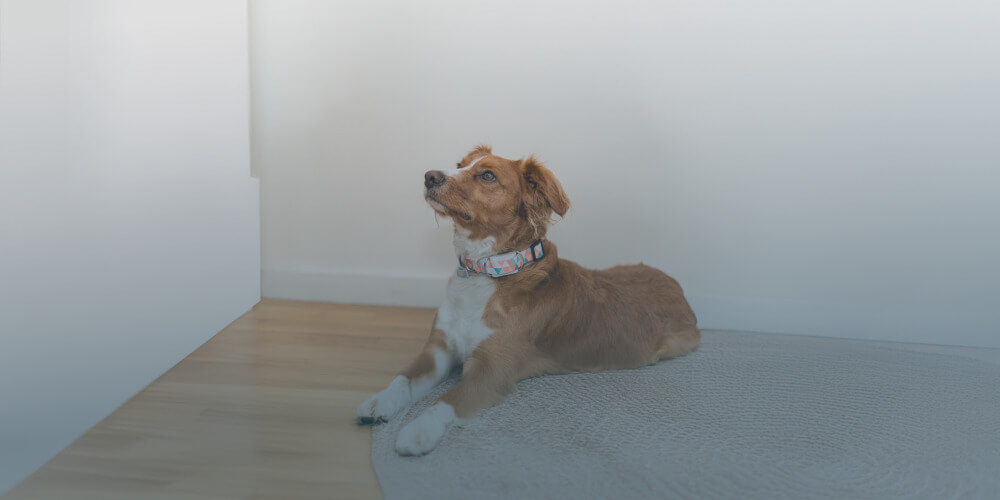
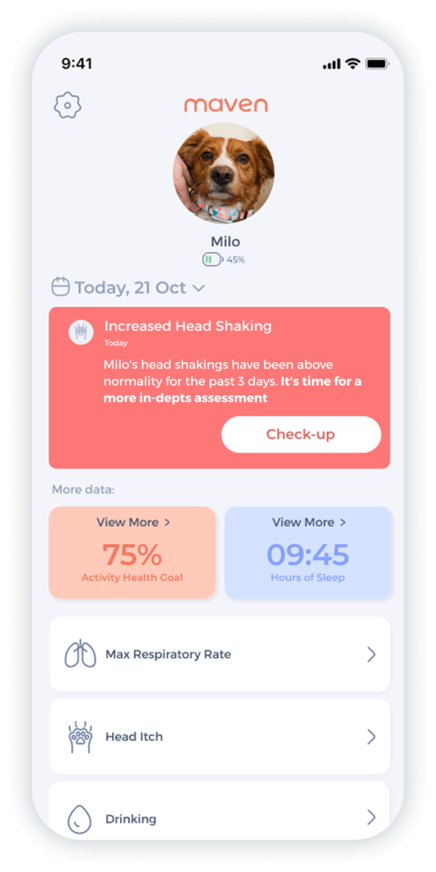
Monitor heart rate, respiratory rate, activity & rest, drinking, itch behavior.
The Maven Pet Health Monitor, a pet health tracker built with veterinarians, is designed to catch those early changes before they become obvious:
- Continuously tracks water intake behavior in dogs, helping identify decreases that may precede visible signs of dehydration, using a dedicated dog drinking tracker
- Monitors activity levels to detect lethargy or reduced energy that can accompany dehydration
- Measures rest patterns, helping identify changes in recovery or overall wellness
- Tracks heart rate trends for added context about your dog’s health
- Monitors resting respiratory rate, which may shift with illness or physiological stress
- Builds a personalized baseline for each dog’s normal drinking habits and behavior through the dog health tracker and companion pet health app
- Sends alerts when meaningful deviations occur, such as reduced water intake or notable activity changes
By watching hydration trends over time rather than a single day’s numbers, owners can recognize subtle shifts earlier and get veterinary care before dehydration progresses — something that matters just as much for everyday illness as it does for chronic issues like kidney disease.
FAQ (Vet-Reviewed)
Yes. Dogs lose fluid through panting, urination, and normal body processes, and dehydration sets in when that loss isn’t replaced by drinking and eating enough.
Try the skin tent test between the shoulder blades and check whether the gums feel moist or dry and tacky. Both are quick, reliable at-home checks.
Dehydrated gums typically feel dry or tacky rather than moist and slippery, and may appear pale in more advanced cases.
Early signs usually include dry or tacky gums, mild lethargy, thicker saliva, and slightly reduced skin elasticity.
Seek care right away if your dog is vomiting repeatedly, collapsing, unresponsive, or not improving after being offered small amounts of water, or if you suspect heatstroke.
Conclusion
Dogs can dehydrate faster than most owners expect, but recognizing the signs early — dry gums, tented skin, and low energy — gives you a real chance to act before things escalate. Mild cases often respond to rest and water, while anything more serious deserves a call to your vet. Keeping an eye on your dog’s everyday water intake and behavior, with help from tools built for that purpose, is one of the simplest ways to catch trouble before it becomes an emergency.
Maven Pet focuses on improving the quality of life of our pets with technology, using artificial intelligence (AI) to enable proactive pet care. By accurately collecting and monitoring pet data 24/7 and flagging any irregularities, Maven Pet empowers pet parents and veterinarians to stay ahead of potential health issues, ensuring the well-being and longevity of our beloved companions.